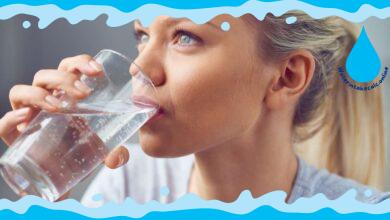
Water is essential for good health and well-being. Staying hydrated is important to maintain overall wellness. Our bodies are made up of about 60% water. Every cell, tissue, and organ needs this important fluid to work its best. Drinking water is essential for staying hydrated. In this article, we will discuss why it is important and the benefits it has for our bodies and minds.
Water is more than just a thirst quencher; it plays a vital role in nearly every bodily function. Water is essential for our daily lives. It helps regulate body temperature, lubricate joints, transport nutrients, and remove waste.
The Importance of Hydration
The Role of Water in the Body: Water is a building block for cells, tissues, and organs. It aids digestion, nutrient absorption, and chemical reactions within the body. Water also acts as a cushion for our organs and keeps our blood pressure stable.
Effects of Dehydration: Dehydration can have severe consequences for our health. It leads to fatigue, reduced cognitive function, and impaired physical performance. Prolonged dehydration can even cause kidney stones and urinary tract infections.
How Much Water Should You Drink?
The amount of water you need to drink each day can vary. It depends on different things like your age, gender, body size, how active you are, the climate, and your overall health. To stay hydrated, a general rule is to drink enough water that satisfies your body’s needs.
The National Academies of Sciences, Engineering, and Medicine have guidelines for how much water to drink each day. This includes all fluids you drink, not just plain water. The recommended daily water intake for most individuals is:
About 3.7 liters (125.1 ounces) for men.
About 2.7 litres (91.2 ounces) for women.
These guidelines consider typical fluid losses through urine, sweat, and other bodily functions and the needs of different population groups.
However, individual water needs can vary based on factors such as:
- If you’re active or exercise often, you may need extra water to make up for the fluids you lose when you sweat.
- Climate: Hot and humid weather can increase your water needs due to increased sweating.
- Certain health conditions can cause fluid loss and may require drinking more water.
- When pregnant or breastfeeding, women need more fluids to help the baby grow.
- Different age groups have varying hydration needs. Children, older adults, and infants require specific amounts of fluids based on their age and developmental stage.
- Larger people need more water because they have bigger bodies.
As a general rule, paying attention to your body’s thirst cues is crucial. Feeling thirsty is a natural indicator that your body needs water. Keeping an eye on the colour and how often you pee can give you clues about how hydrated you are. If your urine is pale yellow or straw-coloured, it means you are well-hydrated. But if it is dark yellow or amber, it might suggest that you should drink more water.
Don’t forget, that staying hydrated doesn’t require you to drink water all day long. Spread out your fluid intake evenly throughout the day instead. It’s a more effective way to stay hydrated properly.
To stay healthy and well, it’s important to pay attention to your body, drink water when you feel thirsty, and be aware of how much water you’re drinking. Listening to your body and staying hydrated are key. If you have any specific health concerns or conditions that might affect how much you need to drink, it’s a good idea to talk to a doctor or a nutritionist for personalized advice.
The Good Things About Staying Hydrated
Staying hydrated brings many benefits:
- Better Physical Performance: It boosts your endurance, strength, and overall physical performance. This is especially important for athletes who want to do their best during training and recovery.
- Sharper Brain: Water is like a brain booster. It helps you stay focused, concentrate, and think clearly. If you don’t drink enough, it can lead to headaches, dizziness, and trouble making decisions.
- Healthy Digestion: Drinking enough water is good for your digestion. It helps prevent constipation and supports a healthy metabolism. It can also help with managing your weight.
- Glowing Skin: Proper hydration keeps your skin looking good. It keeps your skin moist, reduces acne and breakouts, and even helps your hair stay luscious and prevents it from becoming dry and brittle.
- How Do You Calculate Daily Hydration?
Staying Hydrated for Athletes and Active People
Keeping your body filled with enough water is super important for athletes and active folks. When you work out, you sweat more and lose fluids, so you need to drink lots of water. This helps you perform your best, stay away from dehydration (which is bad), and keep you healthy. Here are some things to remember about staying hydrated:
- Before You Start: Drink some water before you begin exercising or doing sports. This helps you stay hydrated from the very beginning.
- While You’re Active: Sip on fluids while you’re moving around to replace the liquids you lose through sweat. If you’re doing something not too intense and it’s not super long, regular water is fine. But if you’re going hard or for a long time, try sports drinks with electrolytes to get back the minerals you lose.
- Electrolytes Matter: When you sweat, you lose not just water but also important stuff called electrolytes like sodium, potassium, and chloride. To keep the right balance in your body and stop muscle cramps, put those electrolytes back, especially during long and tough workouts.
- Know Your Sweat Rate: Everybody’s different, so your sweat rate depends on your size, how fit you are, and where you are. Weigh yourself before and after working out to figure out how much you sweat. This helps you know how much to drink to stay hydrated.
- Hot Weather Alert: When it’s really hot and muggy, you sweat a lot more and lose fluids quickly. So, drink more water to avoid getting dehydrated or sick from the heat.
- Post-Workout Hydration: After you finish exercising, don’t stop drinking fluids. Keep it up! Water or a drink with protein and carbs can help you get your fluids back and help your muscles recover.
- Everyone’s Different: Remember, not everyone needs the same amount of water. Your age, gender, how fit you are, and how hard and long you exercise all affect how much you should drink.
- Listen to Your Thirst: Pay attention to your body. If you feel thirsty, take a drink even if you’re not super thirsty. Sometimes your body needs water, especially when you’re working out hard and don’t feel thirsty, even though you’re losing lots of fluids.
- Don’t Overdo It: Staying hydrated is good, but be careful not to drink way too much water, especially during long workouts. Drinking too much water can make your blood’s sodium levels drop, which is not good.
Staying hydrated can make you better at sports. It keeps your energy high, reduces the chance of heat problems, and makes you stronger and more focused.
Hydration for Children and Older Adults
Hydration is vital for people of all ages. It’s important to pay attention to hydration needs in children and older adults. This is because certain factors can affect their fluid requirements and overall health.
Hydration for Children:
- Fluid Requirements: Children have unique hydration needs based on age, weight, and activity level. To help them grow and develop, make sure to give them enough fluids.
- Thirst Cues: Children, especially younger ones, may not always recognize or communicate their thirst. As caregivers, it’s important to offer fluids regularly and encourage them to drink water throughout the day.
- Promote Water Intake: Encourage children to drink water as their primary beverage. Cut down on sugary drinks such as soda and fruit juices because too much sugar can be bad for your health.
- Don’t forget to keep the word count below 14 words per sentence.
- Monitor in Hot Weather: Be especially mindful of their hydration during hot weather or when they are engaged in prolonged physical activities to avoid heat-related illnesses.
- Include fruits and vegetables with lots of water in your diet to stay hydrated.
Hydration for Older Adults:
- Older adults might not feel as thirsty, so they may not drink enough water even when they are dehydrated. As a result, they may require reminders or assistance to stay hydrated.
- Medications can make older adults lose more fluids, so they need to drink more water.
- Mobility Challenges: Older adults with mobility issues may find it difficult to access water or may be hesitant to drink to avoid frequent trips to the restroom.
- Certain health conditions, such as diabetes or kidney problems, can affect fluid balance in older adults. This can increase the risk of dehydration.
- When you’re sick, it’s important to drink more fluids, especially for older people. Fevers, vomiting, and diarrhoea can cause your body to lose a lot of fluids. Explanation
- Promote Regular Fluid Intake. Encourage older adults to drink water or other hydrating drinks regularly, even if they don’t feel thirsty.
- In hot weather, make sure older adults have access to cool water and a comfortable place to prevent heat-related problems.
- Keep a glass of water by their bed, especially if they have trouble moving, so they can easily drink at night.
- Offer fluids during meals to promote hydration. Older adults may forget to drink water while eating.
- Monitor Signs of Dehydration: Watch out for signs of dehydration in older adults. These may include a dry mouth, dark yellow urine, confusion, and dizziness. If you notice any signs, take action to address dehydration promptly. Explanation
Helping kids and seniors with hydration can keep their bodies healthy and balanced. Suppose you have concerns about the hydration status of a child or an older adult. If you need help, it’s important to talk to a doctor or a dietitian who can give you personalized advice.
Water Quality and Safety
- Ensure your water is clean and safe by investing in proper filtration systems.
- Learn about various water filtering techniques like reverse osmosis and activated carbon filters.
Hydration and Weight Loss
- Drinking water before meals can help reduce calorie intake and aid in weight loss.
- Cold water consumption may increase metabolism, assisting weight loss efforts.
Health Problems and Drinking Enough Water
Sometimes, health issues can make it tricky to keep your body hydrated. Here’s a simple look at some health problems and how they can affect your need for water:
- Fever and Infections: When you’re sick and your temperature is high, you sweat more and lose fluids. So, it’s important to drink more water to stay hydrated.
- Diarrhea and Vomiting: These can make you lose fluids fast and lead to dehydration. To fix this, try sipping on special drinks with electrolytes or rehydration solutions.
- Diabetes: If you have diabetes and your blood sugar is high, you might pee more. This can make you dehydrated if you don’t manage it well.
- Kidney Problems: When your kidneys aren’t working right, it can mess up how your body handles fluids. If you have kidney issues, you may need to watch your fluid intake closely.
- Heart Troubles: People with heart failure can have too much fluid in some areas and not enough in others. So, they need to keep track of how much they drink.
- Cystic Fibrosis: This condition can make you lose a lot of salt in your sweat, so you need to drink more and get plenty of electrolytes.
- Adrenal Insufficiency: This can affect your electrolyte levels and how your body deals with stress, like when you’re sick or exercising hard.
- Cancer Treatment: Chemotherapy can make you feel sick and lead to vomiting, diarrhoea, and dehydration.
- Older Adults: Some older folks might not feel as thirsty as they should, and the medicines they take can mess with their fluid balance.
- Lung Problems: Conditions like COPD can make you breathe faster and lose more fluids.
- Inflammatory Bowel Diseases: If you have conditions like Crohn’s disease or ulcerative colitis, you might have diarrhoea and not absorb fluids and nutrients well.
- Celiac Disease: This can make it hard for your body to absorb nutrients, including water, which can lead to dehydration.
Signs of Not Enough Water and Too Much Water
Knowing when your body needs more or less water is important. Here’s how to recognize the signs and what to do about it:
Dehydration Signs:
- Thirst: Feeling thirsty is an obvious sign that you need to drink more water.
- Dry Mouth: When your mouth feels dry and sticky, it’s a sign you might be getting dehydrated.
- Dark Yellow Urine: If your pee is a dark yellow colour, that’s a sign of dehydration. It should be light yellow or pale.
- Dry Skin: Your skin might feel dry and not as elastic as usual.
- Feeling Tired: Dehydration can make you feel tired and sluggish.
Overhydration Signs:
- Frequent Urination: If you’re peeing a lot and it’s almost clear, you might be drinking too much water.
- Swelling: Your body might swell up, especially in your hands and feet.
- Nausea: Drinking too much water can make you feel sick.
- Headaches: Overhydration can lead to headaches.
- Confusion: In severe cases, too much water can make you confused or disoriented.
Balancing Hydration Safely:
To keep your hydration levels in check:
- Drink when you’re thirsty and stop when you’re not.
- Pay attention to your urine colour. Light yellow is a good sign.
- If you’ve been sweating a lot or it’s really hot, drink a bit more.
- If you suspect overhydration, cut back on water and consult a doctor if you have symptoms.
Skin Health and Hydration:
Water also plays a big role in keeping your skin healthy:
- Preventing Premature Aging: Drinking enough water can help keep your skin looking young and prevent premature wrinkles.
- Maintaining Elasticity: Good hydration helps your skin stay elastic and less likely to sag.
So, listen to your body, drink enough water, and keep your skin happy and healthy!
Conclusion:
Water is undeniably the foundation of a healthy life. Staying hydrated is crucial for physical performance, mental clarity, digestion, and overall well-being. To make sure we stay properly hydrated, we can develop simple habits and debunk myths about hydration. This will help us prioritize our daily hydration and enjoy the many benefits it brings.
FAQs:
Q: Can I drink other beverages instead of water to stay hydrated?
Water is the best choice to stay hydrated, even though other drinks help with fluids too. Sugary and caffeinated drinks should be consumed in moderation.
Q: How can I ensure my children drink enough water?
ImproveShow HardEncourage your kids to drink water. Make it easy for them by keeping it within reach and adding colourful straws or fun water bottles.
Q: Is it possible to overhydrate?
Yes, drinking too much water can cause a condition called hyponatremia. This happens when the sodium levels in your body become too low.
Q: Can dehydration affect my exercise performance?
A: Yes, dehydration can decrease endurance, muscle cramps, and fatigue during exercise.
Q: Are sports drinks better than water for hydration during exercise?
A: For most moderate workouts, water is sufficient. Sports drinks are beneficial for intense, prolonged exercise to replenish electrolytes.