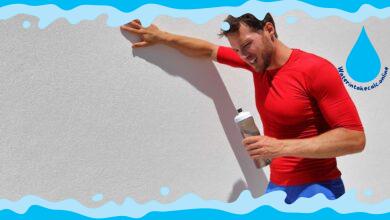
Staying healthy is a big deal, and one important part of that is staying hydrated. When we talk about staying hydrated, we mean making sure we have enough water in our bodies. Water does a lot of good things for us, like helping our cells work well, carrying important stuff around our body, controlling our temperature, and getting rid of waste. In this article, we’ll explain why drinking enough water every day is so important. We’ll also look into things that can change how much water we need. Plus, we’ll share some easy ways to figure out how much water you should have each day and some tips to remember to drink enough.
Why Water Every Day is a Big Deal
Water is super important for our bodies because it helps us in many ways:
- Keeping the Right Temperature: Water helps our body stay at the right temperature, especially when we’re active or when it’s hot outside.
- Helping with Digestion: When we drink enough water, it helps us digest our food properly and prevents tummy troubles like constipation.
- Taking Care of Joints and Organs: Having enough water in our body keeps our joints and organs well-lubricated. This means they can move smoothly and are less likely to get hurt.
- Moving Nutrients: Think of water as a delivery system. It carries important nutrients and oxygen to all our cells, helping our body work well.
- Getting Rid of Bad Stuff: Staying hydrated helps our body get rid of waste and bad stuff by making us pee and sweat. This helps keep us healthy.
So, water isn’t just something we drink because we’re thirsty – it’s like a special helper that keeps our body running smoothly and feeling good!
Factors Affecting Daily Hydration Needs
The daily hydration needs vary from person to person based on several factors, including:
How Old You Are and Whether You’re a Boy or Girl:
How much water you need to drink every day depends on how old you are and if you’re a boy or a girl. Grown-ups usually need more water than kids, and guys generally need more than girls. This is because of differences in how big our bodies are and what they’re made of.
How Much You Move:
If you do lots of physical activities or are active, you’ll need more water. That’s because when you sweat, you lose water, and you need to put it back by drinking more.
Where You Live and the Weather:
If you live somewhere hot and humid, you’ll need more water. That’s because when it’s hot and sticky, you sweat more, and that means you have to drink more to avoid getting dehydrated.
How Healthy You Are:
Sometimes, if you’re not feeling well and you have things like a fever, throwing up, or diarrhoea, you can lose more water from your body. So, you need to drink extra water to make sure you’re not losing too much.
Figuring Out How Much Water You Need Every Day
There’s a simple way to estimate how much water you should drink each day. You can use this formula: drink about half an ounce to one ounce of water for every pound you weigh. For example, if you weigh 150 pounds, you should aim to drink between 75 to 150 ounces of water daily.
But there are some other things to think about too:
- Activity Level: If you’re active or you exercise a lot, you might need more water. Physical activity makes you sweat, and you lose water when you sweat, so it’s important to drink extra.
- Climate: The weather matters too. If it’s hot or humid where you live, you’ll need more water to stay hydrated.
- Health Conditions: If you’re sick or have a medical condition, like a fever, you might need more water than usual. It’s a good idea to talk to a healthcare professional to figure out how much water you should be drinking in these situations.
So, remember the basic formula based on your weight, but also think about these other things to make sure you’re drinking the right amount of water for your body.
| Check Out |
Daily Water Intake Calculator for Stay Hydrated |
Tips to Stay Hydrated
Here are some easy ways to make sure you stay hydrated:
- Drink Water Regularly: Make it a habit to sip water throughout the day. Keep a water bottle with you, and take small sips even if you’re not feeling thirsty.
- Eat Water-Rich Foods: Include foods with lots of water in your diet, like fruits (think watermelon, oranges, and cucumbers) and vegetables (like cucumber, lettuce, and celery).
- Avoid Dehydrating Drinks: Try not to drink too many dehydrating drinks like alcohol and drinks with caffeine, as they can make you lose more fluids.
- Check Your Hydration: Keep an eye out for signs of dehydration, like dark urine or a dry mouth. If you notice these signs, it’s a sign you need more fluids.
Signs of Dehydration
It’s important to know the signs of dehydration so you can take action if you see them. Some common signs include:
- Feeling thirsty.
- Having a dry or sticky mouth.
- Dark yellow pee.
- Feeling tired or dizzy.
- Having a headache.
- Does the Time of Day You Drink Water Matter?
Remember, staying hydrated keeps your body running smoothly and feeling good!
Why Staying Hydrated Is Good for You
Staying hydrated offers lots of great advantages, such as:
- Improved Physical Performance: When you’re properly hydrated, you can do better in sports and exercise. You’ll have more energy and endurance.
- Better Skin Health: Hydration keeps your skin looking good by making it less likely to get dry and wrinkled. So, you can keep that youthful glow!
- Enhanced Brain Power: Staying hydrated is like a boost for your brain. It helps you think better, concentrate more, and stay focused. Your brain works its best when it’s hydrated.
- Weight Control: Drinking water before meals can help you manage your appetite. This can be useful if you’re trying to control your weight because it might help you eat less.
So, keeping yourself hydrated isn’t just about avoiding thirst; it’s a secret weapon for feeling and looking your best!
The Role of Electrolytes in Hydration
Electrolytes are really important for our body’s hydration and making sure fluids are balanced correctly. These special minerals, like sodium, potassium, calcium, magnesium, chloride, and bicarbonate, have a tiny electrical charge and are found in liquids like blood, sweat, and pee. Here’s how electrolytes help with hydration:
- Keeping Fluids Balanced: Electrolytes help control how much water is inside and outside our cells. They manage how water moves in and out of cells, making sure they stay properly hydrated.
- Sodium and Holding onto Water: Sodium is the main electrolyte outside cells. It’s really good at making sure our body keeps enough water in the outside parts, which keeps our blood volume right and stops us from getting dehydrated.
- Potassium and Fluids: Inside cells, potassium is in charge. It works opposite to sodium and helps keep fluids balanced between cells.
- Moving Stuff Around: Electrolytes help move good stuff (like nutrients) and bad stuff (like waste) in and out of cells. This only works right when the balance of these tiny charged particles is just right.
- Nerves and Muscles: Our nerves and muscles need electrolytes to work properly. They use the electrical charges from electrolytes to send signals and make muscles move.
- Sweat and Losing Electrolytes: When we’re active or it’s hot, we lose water and electrolytes in sweat. It’s important to put back these electrolytes to avoid problems with our body’s balance and to stay hydrated.
- Sports and Staying Hydrated: Athletes need to be careful with electrolytes. Sports drinks have things like sodium and potassium to replace what’s lost during exercise and to keep hydration in check.
- Fixing Dehydration: If we’re really dehydrated from things like diarrhoea, special drinks with the right amount of water, sugar, and electrolytes can help.
- Absorbing Water: Electrolytes in our intestines help soak up water. They work best with things like sugar, and this helps us rehydrate better.
- Balancing pH: Bicarbonate helps our body stay at the right acid level. It stops our blood from getting too acidic and keeps things stable.
If electrolytes get messed up, like having too little sodium or too much potassium, it can cause big health problems. To stay healthy and hydrated, we need to make sure our body has the right balance of electrolytes.
Debunking Hydration Myths
Can Drinks with Caffeine Make You Dehydrated?
People often think that drinks with caffeine can make you lose water, but that’s not entirely true. Even though caffeine can make you pee a bit more, the good things in these drinks usually help you stay hydrated.
Should You Only Drink Water When You’re Thirsty?
Waiting until you’re thirsty to drink water might not be enough, especially when you’re doing things that make you sweat a lot. It’s important to drink water regularly, even if you don’t feel thirsty, to make sure you stay well-hydrated.
Staying Hydrated for Athletes and Active People
If you’re an athlete or someone who’s always on the go, paying attention to how much you drink is important. Drinking enough can make you perform better, avoid getting too hot, and help you recover after exercising.
Keeping Skin Healthy with Hydration
Having enough water is good for your skin. It keeps your skin moisturized and can make you look younger. Drinking plenty of water can also stop your skin from getting dry and help with skin problems like pimples and eczema.
Thinking Clearly with Hydration
Drinking enough water is also good for your brain. It can help you think better, remember things, and stay clear-headed. Not having enough water can make it hard to think and focus.
Hydrating to Manage Weight
If you drink water before you eat, it might help you eat less and lose weight. Water can make you feel full, so you don’t eat as much.
Helping Your Digestive System with Hydration
Drinking enough water is good for your stomach and digestion. It keeps everything moving well and stops you from getting constipated.
Conclusion:
Every day, drinking enough water is super important for staying healthy and feeling good. Figuring out how much water you need and making sure to drink it can help how well your body and mind work. Make sure to have water often, especially when you’re being active or it’s hot outside. Keep an eye out for signs that you might not be getting enough water, so you can stay properly hydrated.
FAQs:
How Much Water Should I Drink Every Day?
A general rule is to drink about half an ounce to one ounce of water for each pound you weigh. But remember, your specific needs might be different depending on how active you are, the weather, and your health.
Is Thirst Enough to Stay Hydrated?
Thirst is a good sign that you need water, but it’s not always enough, especially during physical activities. It’s a good idea to drink water regularly throughout the day, even if you’re not feeling thirsty.
Do Drinks with Caffeine Make You Dehydrated?
Drinking moderate amounts of caffeinated beverages like coffee or tea won’t dehydrate you. These drinks have more hydrating effects than dehydrating ones, so you don’t need to worry.
Can Staying Hydrated Help Your Skin?
Yes, staying hydrated is good for your skin. It helps keep your skin moist, reduces dryness, and makes it more elastic, which is great for your skin’s health.
Does Hydration Affect Your Brain?
Yes, staying hydrated is good for your brain too! It improves how your brain works, helps with memory and keeps your thinking clear. On the flip side, not drinking enough can make your brain work less effectively.