Staying hydrated is super important for your health, especially when it comes to how well your body works when you move around. It doesn’t matter if you’re a super athlete or just someone who likes to play sports – knowing how drinking enough water helps your body is key to doing your best and reaching your fitness goals.
Why Water Is Important for Your Body
First, let’s talk about what water does in your body before we get into how it affects how you move. Our bodies are mostly made up of water – about 60% of them! Water has a lot of important jobs, like helping to control your body’s temperature, carrying important stuff like nutrients around, and making sure your joints work smoothly. So, it’s kind of like the body’s super fuel!
Understanding How Your Body Holds Water:
Our bodies have two types of fluids: inside the cells (intracellular) and outside the cells (extracellular). It’s important to keep the right balance of these fluids for your cells to work well and for you to stay healthy.
How Not Enough Water Affects Exercise:
When your body loses more fluids than it takes in, you become dehydrated. This messes up the balance of your body’s fluids. Even if you’re just a bit dehydrated, it can make your physical performance worse. You might not have as much endurance, your strength could go down, and your thinking might not be as sharp.
Water and Exercise
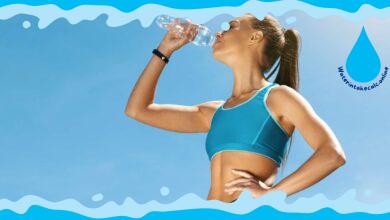
Drinking enough water is super important for how well you do when you exercise. Keeping your body’s fluids balanced is a big deal for getting the best results from your workout. Here’s how water helps:
- Better Stamina: When you’re hydrated, your blood has enough volume to carry oxygen and nutrients to your muscles. This helps you keep going for longer during exercise.
- Temperature Control: Drinking water helps you stay cool while you sweat during exercise. If you’re not hydrated, your body can get too hot, and that’s not good.
- Less Tiredness: Being dehydrated can make you tired quickly when you’re exercising. Drinking enough water can help you exercise longer before getting tired.
- Stronger Muscles: When you’re not dehydrated, your muscles work better. Dehydration can make your muscles weaker, but drinking water helps them stay strong.
- No Cramps: Drinking water and having enough of the minerals your body needs (like sodium and potassium) can stop muscle cramps from happening when you’re active.
- Stay Focused: Dehydration can make it hard to think clearly. Drinking water helps you stay focused during your workout.
- Faster Recovery: After exercising, drinking water helps your body recover faster. It replaces the fluids you lost during your workout.
- Less Chance of Getting Hurt: Being dehydrated can make your joints and muscles less flexible, which could lead to injuries when you exercise.
Drinking enough water is one of the smartest things you can do for your exercise routine. It helps your body work its best and keeps you feeling good while you’re being active.
Tips for Hydration and Exercise Performance
Here are some helpful tips to keep in mind when it comes to staying hydrated while you’re working out:
- Drink Before You Start: Make sure to have some fluids before you begin your exercise. This helps you begin your workout already hydrated.
- Stay Hydrated During While you’re exercising, take sips of water or sports drinks that have electrolytes. How much you need to drink depends on how intense and long your workout is, and factors like how much you sweat.
- Electrolytes Matter: Electrolytes are minerals your body needs. Along with water, think about having fluids with electrolytes in them, especially during long or tough workouts. Sports drinks or special supplements can help replace these minerals.
- Watch Your Sweat: Weigh yourself before and after your workout. The difference in weight can show how much fluid you lose through sweat. This helps you figure out how much you need to drink to stay properly hydrated.
- Listen to Thirst: Pay attention to your body’s signals, and have water even if you’re not super thirsty. Sometimes, your body might need water even if you’re not feeling very thirsty.
- Drink After Exercise: After you’re done working out, keep hydrating. This helps replace any fluids you lost and helps your body recover.
- Consider the Weather: If it’s hot and humid outside, you’ll need more fluids because you’ll sweat more.
- What Are the 10 Benefits of Drinking Water?
Best Ways for Athletes to Stay Hydrated
Athletes need to use smart hydration plans that match their different exercise stages to perform their best.
Before You Exercise:
To start your workout in top shape, make sure you drink enough fluids before you start. Drinking water or electrolyte drinks 1 to 2 hours before exercise helps keep you hydrated during your workout.
During Your Workout:
To prevent dehydration while exercising, sip small amounts of water or sports drinks regularly during long workouts.
After Your Workout:
Rehydrate after exercising to recover and replace lost fluids. Drink fluids that contain water and electrolytes to help with rehydration.
Hydration and How It Affects Thinking
Staying hydrated is closely linked to how well our brains work, and having the right amount of fluids is super important for our brain health and thinking abilities. Here’s how being hydrated can make our thinking better:
- Improved Focus: When we’re properly hydrated, it’s easier to concentrate and pay attention. Not drinking enough water can make it hard to focus on tasks.
- Better Memory: Having enough water helps us remember things better. It keeps the parts of our brain responsible for memory working well.
- Clearer Thinking: Being hydrated helps us think clearly. When we’re well-hydrated, our thoughts aren’t fuzzy, and our thinking is sharp.
- Quick Decision-Making: Dehydration can slow down our thinking, making it tough to make decisions. When we’re hydrated, decisions come more easily.
- Faster Information Processing: Drinking enough water helps our brain process information faster and better. It helps the brain cells talk to each other effectively.
- Brain Health for Older Adults: For older people, staying hydrated is even more important. Not enough water can make their thinking abilities decline faster.
- Better Mood: Staying hydrated can put us in a better mood and help us feel happier overall.
- Avoid Mental Tiredness: Dehydration can make us mentally tired, making it hard to stay awake and alert. Drinking water can help us stay mentally awake.
- Brain Energy: Water is like fuel for our brains. It helps our brains use energy better and work properly.
- Brain Cleaning: Staying hydrated helps our brain get rid of waste and toxins, keeping it healthy.
Tips for Staying Hydrated for Better Thinking:
- Drink Water Regularly: Even if you’re not thirsty, remember to drink water throughout the day to stay hydrated.
- Watch Caffeine and Alcohol: Drinks with caffeine or alcohol can make us lose more fluids. Make sure to drink enough water alongside these drinks.
- Check Your Urine: The colour of your urine can show if you’re hydrated. Pale yellow or straw-coloured urine means you’re hydrated, while dark yellow or amber urine might mean you need more water.
- Hydration While Thinking: When you’re studying or working, don’t forget to drink water to keep your brain working well.
- Think About the Environment: Depending on the weather and how active you are, you might need more water. Hot days and lots of movement mean you need extra hydration.
- Use Reminders: Set reminders or use apps to help you remember to drink water regularly.
- Sleep and Hydration: Staying hydrated can also help you sleep better, which is important for your thinking. But try to drink less before bedtime so you don’t wake up at night.
Factors That Affect How Much Water You Need
Many things can change how much water a person should drink.
- Environmental Conditions: If it’s hot and sticky outside, you’ll sweat more, so you need to drink more water to stay okay.
- People Are Different: Everyone’s body is unique. How much water you need depends on your size, how fast your body burns energy, and how much you move around.
- Knowing When You’re Dry: You should learn how to tell when you’re getting dehydrated, so you can drink more water before things get worse.
- Drinking Too Much Water: While not drinking enough water is a problem, drinking too much can also be bad. It can lead to something called hyponatremia, where your blood doesn’t have enough salt.
Hydration and Sports Drinks
Drinking the right stuff is important, especially when you’re an athlete or doing tough exercises. Here’s why:
Hydration: Staying hydrated means keeping enough liquids in your body to make it work well. When you’re active, you lose fluids through sweat and breathing. Being hydrated is important for:
- Doing Your Best: Drinking enough helps you perform better and gives you more energy.
- Staying Cool: Being hydrated helps your body stay at the right temperature during exercise.
- Keeping Things Balanced: Having enough liquids helps all parts of your body work the way they should.
- Stopping Dehydration: Not having enough water can make you feel tired, dizzy, and just not good.
Sports Drinks: Sports drinks are made for athletes and people who do hard exercises. They usually have water, sugars (like carbohydrates), and special things called electrolytes (such as sodium, potassium, and magnesium). Electrolytes are important because you lose them when you sweat.
Why Sports Drinks Help Hydration:
- Replacing Electrolytes: Electrolytes are tiny parts of your body that help your muscles work and keep your fluids balanced. Drinking sports drinks during long or tough exercise helps put these back into your body, which helps your muscles work better and stops them from getting cramps.
- Giving Energy: Sports drinks have sugars that can give you quick energy during long activities. They help refill your muscles with energy, so you can keep going.
- Sodium and Fluids: Sports drinks have sodium, which helps your body keep fluids and makes your blood volume normal.
When to Use Sports Drinks:
Sports drinks are best when you do hard or long activities that last over an hour. This is especially true when it’s hot and you sweat a lot. They work well for athletes who do intense training, long races (like marathons), or team sports where you do a lot of hard work again and again.
Things to Think About:
- Calories: Sports drinks can have lots of calories because of the sugars. They might not be good if you’re not very active or you’re trying to watch how many calories you eat.
- Sugar: Some sports drinks can have a lot of added sugars. While they help during exercise, having too much sugar every day isn’t good for you.
- What You Need: Some people do well with sports drinks, and some are fine with water and healthy foods.
- After Exercise: After you’re done, it’s good to have a mix of water and good foods to help your body get better.
Hydration for Different Age Groups
- Hydration needs differ across different age groups.
- Children and adolescents have unique hydration requirements due to their growth and physical activity levels.
- Older adults may have reduced thirst sensations, making it vital for them to consciously monitor their fluid intake.
Hydration and Sleep Quality
Hydration and sleep are connected, and having enough fluids is crucial for a good night’s sleep. Here’s why:
Temperature Control: Being hydrated helps your body stay at the right temperature for sleep. If you’re hydrated, your body can cool down well during sleep.
Muscle Relaxation: Being hydrated can stop muscle cramps, which can make you more comfortable when you’re sleeping.
Less Waking Up: If you’re hydrated, you won’t wake up as much during the night because of being thirsty. This means you can sleep better.
Melatonin Help: Drinking enough water can help your body make melatonin, a hormone that controls when you sleep and wake up.
Clear Thinking: Being hydrated can help you think more clearly and not feel anxious, so it’s easier to fall asleep.
Snoring and Breathing Better: If you’re not hydrated, your nose might be stuffy. Drinking water can help with that and make you snore less.
Tips for Hydration and Sleep:
- Drink Enough Water: Drink water regularly all day, not just when you’re thirsty.
- Avoid Caffeine and Alcohol: Don’t have drinks with caffeine or alcohol close to bedtime because they can affect sleep.
- Watch Your Pee: If your pee is light yellow, you’re probably well-hydrated. Dark yellow means you need more water.
- Limit Drinking Before Bed: Don’t drink a lot before bed, so you don’t need to go to the bathroom a lot.
- Remember Water in Your Routine: Have some water as part of your bedtime routine.
Debunking Common Hydration Myths
- The “8 glasses a day” rule isn’t supported by scientific evidence, and individual water needs vary.
- Urine colour can indicate hydration status, but it’s not the sole indicator. Pay attention to other signs as well.
Practical Tips for Staying Hydrated
Incorporate these practical tips into your daily routine to maintain optimal hydration.
Water-Rich Foods:
Consume water-rich fruits and vegetables to supplement your fluid intake.
Tracking Water Intake:
Use apps or journals to track your water intake and ensure you meet your hydration goals.
Hydration Reminders:
Set reminders on your phone or use hydration apps to prompt you to drink water throughout the day.
Conclusion:
Staying hydrated is super important for your body and how you feel. When you drink enough water and electrolytes, you can get better at sports, be stronger, think sharper, and recover faster. Always remember to keep drinking water a top priority as you work on your fitness goals, so you can do your very best.
FAQs:
Q: How much water should I drink during exercise?
A: Drinking about 7 to 10 ounces of fluids every 10 to 20 minutes during exercise is best.
Q: Are sports drinks better than water for hydration?
A: Sports drinks can be beneficial during intense or prolonged exercise, but water is generally sufficient for shorter workouts.
Q: Can I drink coffee or tea to stay hydrated?
A: While coffee and tea contribute to your daily fluid intake, water is the best choice for optimal hydration.
Q: Can overhydration be dangerous?
A: Overhydration can lead to hyponatremia, which can be dangerous.
Q: Can dehydration affect my mood?
A: Yes, dehydration can lead to changes in mood, including increased irritability and decreased alertness.